Water is one of the greatest enemies of any building fabric. Wherever moisture occurs regularly, professional waterproofing is essential. Bathrooms, balconies and terraces are particularly at risk, as they are in constant contact with water. Defective waterproofing leads to water damage, mould growth and costly renovations. In this article you will find out what matters in waterproofing and how to protect your home in the long term.
Why waterproofing is so important
Penetrating moisture causes far-reaching damage to the building fabric. Water finds its way through the smallest cracks and joints and can cause great destruction in the process. Saturated walls and floors lose their insulating effect, mould spreads and the load-bearing capacity of building components is impaired.
Areas where water occurs regularly or collects are particularly critical. In the bathroom, the shower is the most sensitive area. On balconies and terraces, rainwater collects and, if the waterproofing is defective, penetrates the structure below. The follow-up costs of missing or faulty waterproofing exceed the cost of doing it properly many times over.
Waterproofing in the bathroom
The bathroom is the dampest room in the house. Every shower and bath produces not only splash water but also water vapour, which condenses on walls and ceilings. Professional waterproofing protects the building fabric and prevents mould growth.
Waterproofing the shower area properly
The shower area requires particular attention. Before tiles are laid, full-surface waterproofing must be applied to walls and floor. Liquid plastics or waterproofing slurries form a seamless barrier that also seals reliably at corners and edges. Careful work at penetrations such as water connections and drains is especially important.
Walk-in showers
Level-access walk-in showers are on trend, but place higher demands on waterproofing. As there is no shower tray rim to hold the water back, the entire floor area must be reliably waterproofed. A fall towards the drain ensures that the water drains away quickly and does not pool.
Waterproofing balconies and terraces
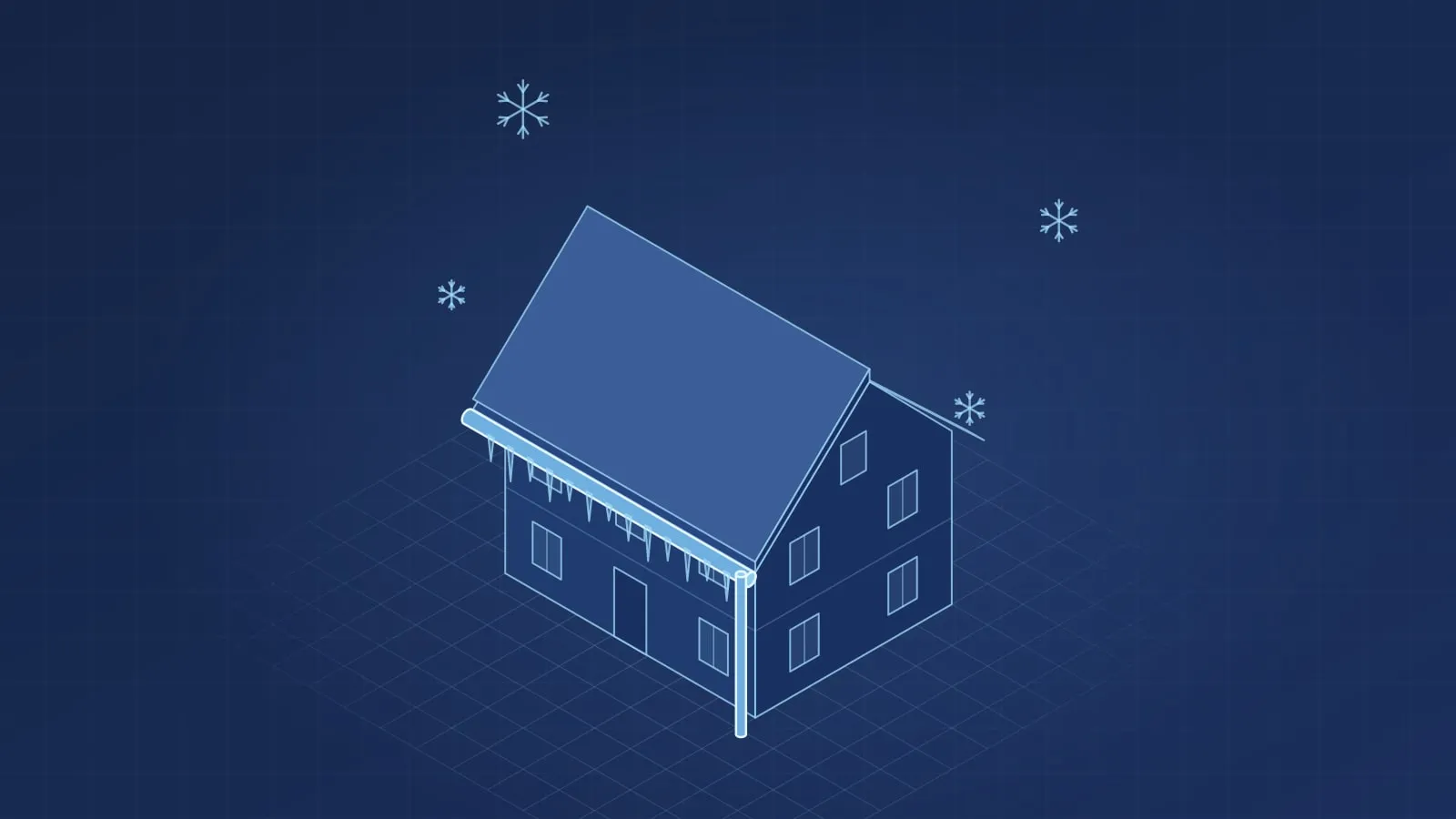
Balconies and terraces are exposed to the weather all year round. Rain, snow, frost and UV radiation put strain on surfaces and waterproofing. Without functioning waterproofing, water penetrates the structure and causes frost damage, corrosion of the reinforcement and damage to the rooms below.
Structure of balcony waterproofing
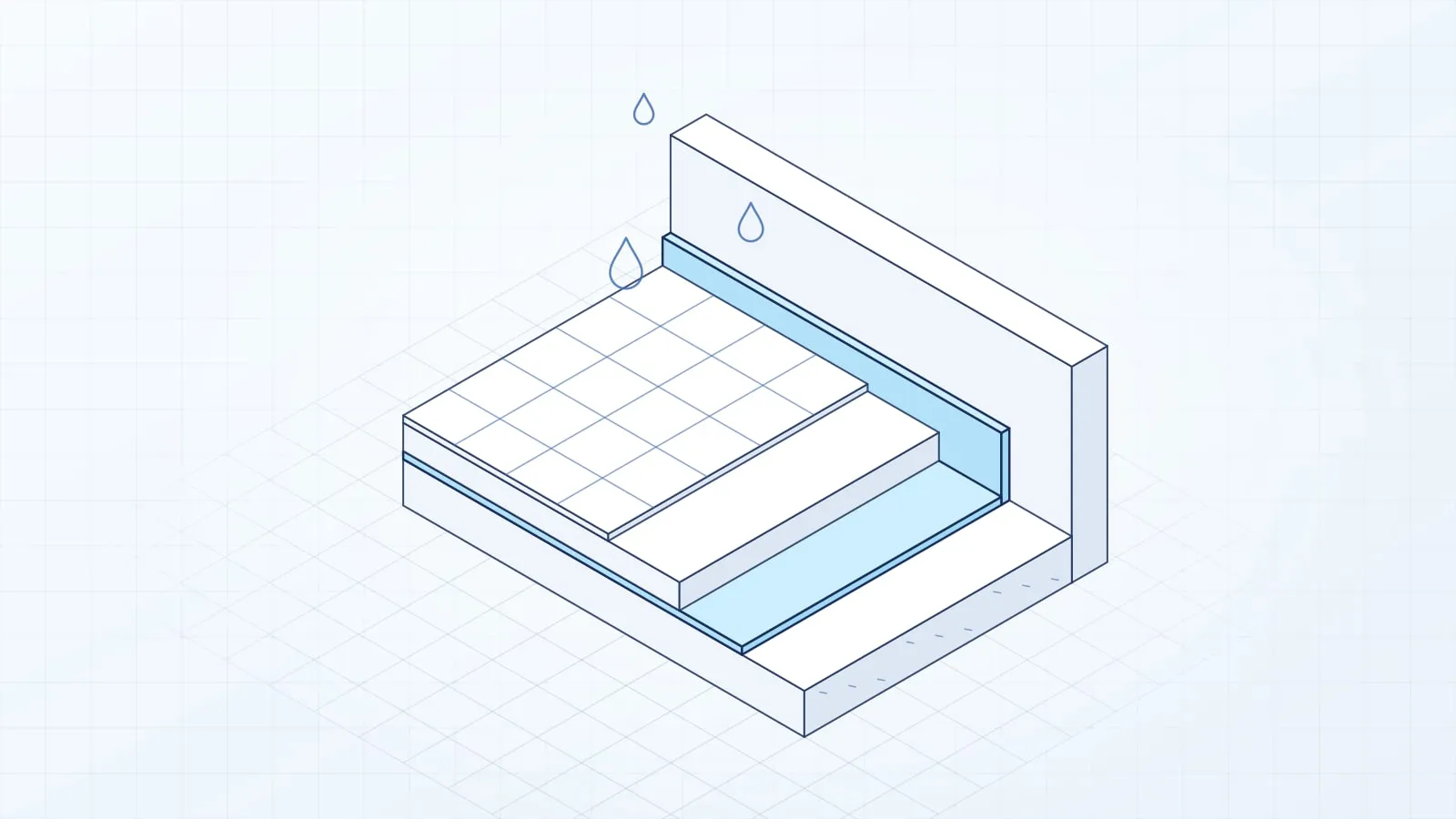
Professional balcony waterproofing consists of several layers. First, a sloping screed is applied to the load-bearing substrate to direct water towards the drainage. This is followed by the actual waterproofing membrane or liquid waterproofing. The final layer is the surface finish of tiles, slabs or another suitable material.
Paying attention to critical points
Junctions with rising components such as house walls and parapets require particular care. Here the waterproofing is taken up the wall and secured with a connection profile. Penetrations for railing posts or drainage must also be carefully sealed. Expansion joints absorb movement in the structure and prevent cracks in the waterproofing.
Waterproofing materials
Different waterproofing materials are used depending on the application. Polyurethane- or polymer-based liquid plastics are versatile and form seamless coatings. Bitumen membranes are particularly suitable for large areas and components in contact with the ground. Cement-based waterproofing slurries are ideal for indoor use and direct contact with tiles.
The choice of the right material depends on the stresses, the substrate and the climatic conditions. A specialist contractor can advise you on which solution is best for your situation.
Maintenance and upkeep
Even the best waterproofing has a limited service life. Regular checks help to detect damage early on. Look out for cracks, blistering or detachment of the waterproofing. Blocked drains should be cleaned promptly so that water does not build up. Joints between tiles and at junctions should be checked regularly and renewed if necessary.
Conclusion
Professional waterproofing is an investment in preserving the value of your property. It protects the building fabric from moisture and prevents costly consequential damage. Beri Bau AG is your expert partner for all waterproofing work. From bathroom waterproofing and balcony renovation to terrace waterproofing, we offer professional solutions for every area.
Contact us for a free, no-obligation consultation and discover our reference projects at beribau.ch/en/references.