Preventing frost damage to the building fabric
Frost is one of the greatest enemies of any building and can cause considerable damage to the building fabric, which often only becomes visible in spring. When water freezes, it expands by around ten per cent, generating pressures of up to 2,000 bar. These enormous forces can cause cracks in masonry, concrete and natural stone or considerably widen existing cracks. Porous materials such as bricks or sand-lime brick, which can absorb a lot of water, are particularly at risk. Repeated freeze-thaw cycles turn even the tiniest hairline cracks into major damage. Prevention starts in autumn with a careful check of all surfaces for cracks and leaks. Defective joints between masonry units or precast concrete elements must be repaired before the first frost. Checking gutters, downpipes and other water-carrying elements is also crucial, as standing water causes particularly severe damage when it freezes.
Planning for roof loads and snow clearing
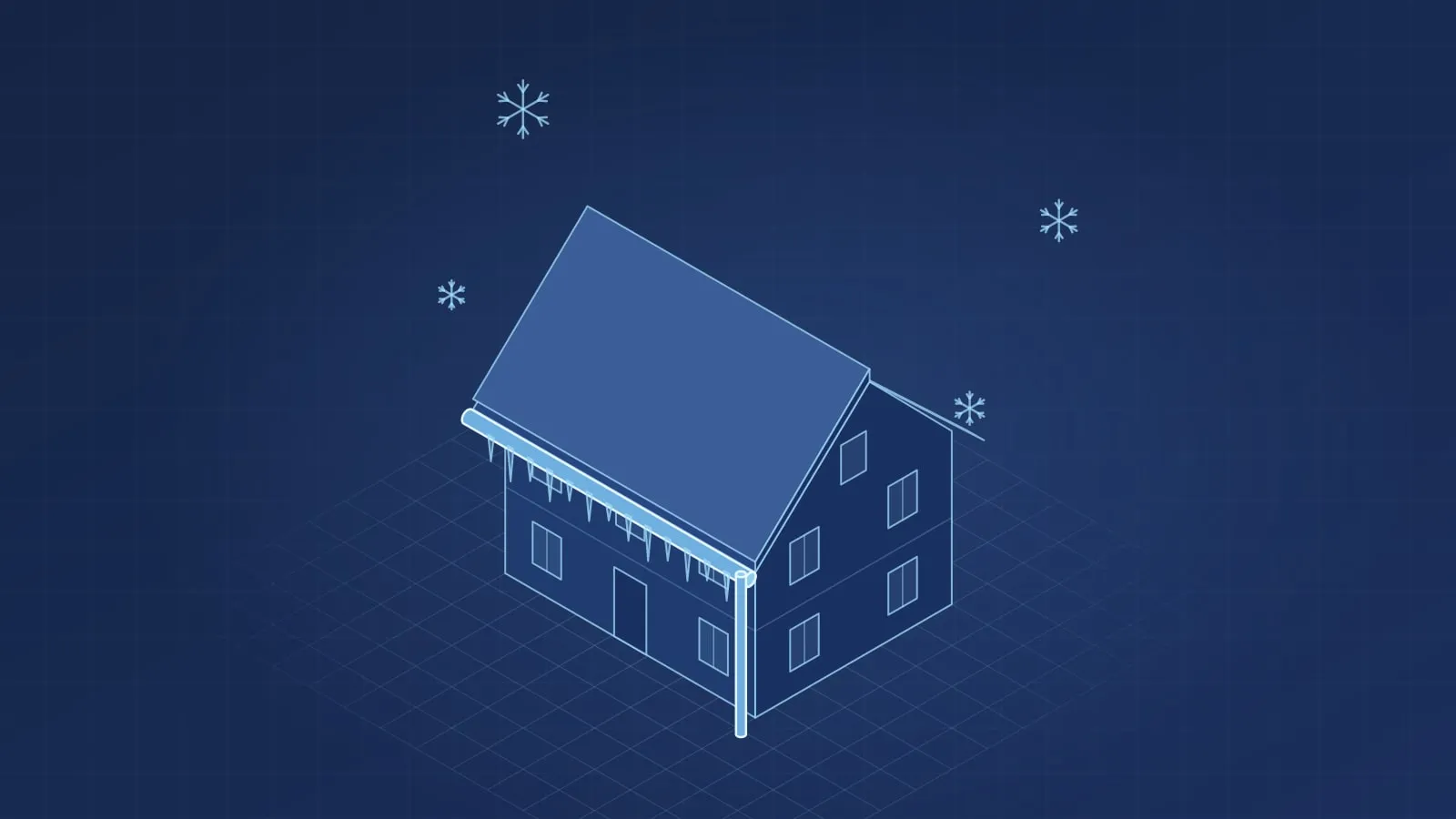
Snow loads are an underestimated danger to the structural integrity of buildings and, if misjudged, can lead to serious damage or even collapse. The permissible snow load is laid down in the building regulations and depends on the geographical location and the altitude above sea level. One cubic metre of powder snow weighs around 100 kilograms, but crusted snow can reach up to 500 kilograms per cubic metre. On large roof areas, these loads quickly add up to several tonnes. Uneven loads caused by snowdrifts or ice formation are particularly dangerous. Flat roofs are especially vulnerable, as the snow cannot slide off. Professional snow clearing requires special knowledge and equipment, as improper clearing can damage the roof membrane. Safety is of the utmost importance – snow clearing on the roof should only ever be carried out by trained professionals. Preventive measures such as snow guards or heated gutters can considerably reduce the risks.
Winterproofing pipes and installations
Frozen water pipes are among the most common and most expensive types of winter damage in buildings and can cause considerable water damage within a few hours. Pipes in unheated rooms such as basements, lofts or garages, as well as outdoor pipes for garden water, are particularly at risk. Prevention begins with proper insulation of all water pipes in critical areas. High-quality pipe insulation of sufficient thickness is essential. All outdoor taps must be turned off and drained before the first frost. Modern frost protection heating cables provide additional protection for particularly exposed pipes. In occupied buildings, the temperature should not fall below a minimum of 15 degrees, even when you are away. Heating systems must be checked and serviced regularly, as a heating failure can quickly lead to frost damage. Checking the heating circulation pumps is also important, as stagnant water freezes more quickly. If the building is left empty for a long period, all pipes must be drained completely and flushed with antifreeze.
Checking facades and seals
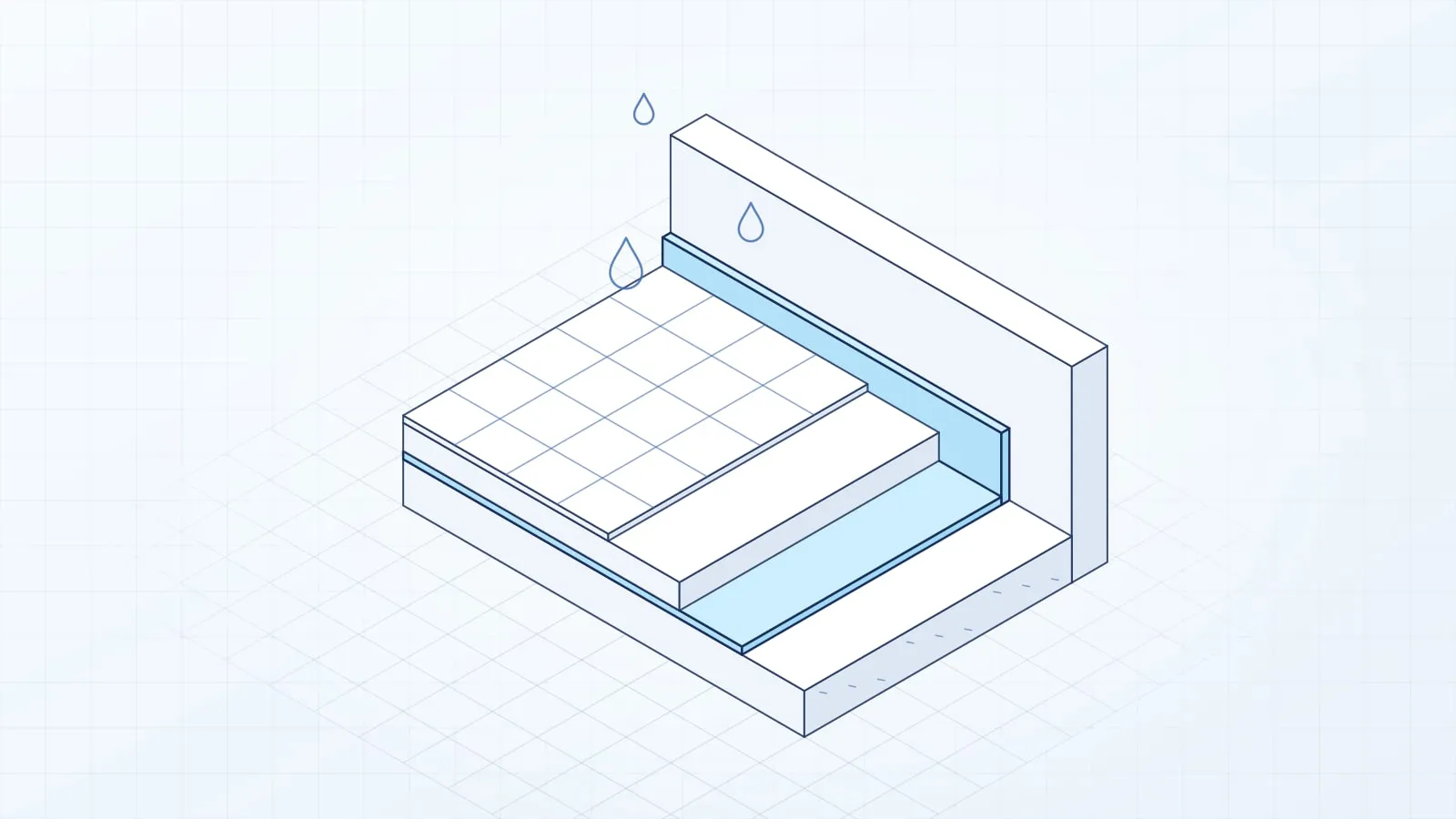
Facades and waterproofing are the first line of defence against winter damage and must therefore be inspected and maintained with particular care. Small cracks in render or paintwork can lead to large areas spalling off as moisture penetrates and then freezes. All facade surfaces should be checked systematically in late autumn, while weather conditions are still favourable for repairs. Connections to windows, doors and balcony railings deserve particular attention, as leaks often occur there. Silicone joints must be renewed regularly, as UV radiation and temperature fluctuations make them brittle and they lose their sealing effect. Flat roof waterproofing must also be checked before winter, as standing water is particularly damaging in frost. Missing or damaged roof tiles must be replaced immediately, as penetrating meltwater can cause major damage to the roof structure. Gutters and downpipes must be cleared of leaves and dirt so that meltwater can drain away properly.
Drawing up an emergency plan for winter damage
Despite all precautions, winter damage can still occur, which is why a well-thought-out emergency plan is crucial for limiting the damage. This plan should contain all important contact details: emergency plumber, heating engineer, roofer and electrician. The insurance company's contact details and the location of key shut-offs such as the main water valve and main electrical switch must also be known to all occupants. An emergency kit with basic tools, sealing material and torches should be kept within easy reach. In the event of water damage, acting quickly is crucial: first turn off the water, then locate the source of the damage and seal it temporarily. All damage should be documented with photographs before repairs begin. Regular servicing of the heating system by professionals is also important, as heating failures are particularly critical in winter. A back-up heating system or at least mobile heaters for emergencies can prevent costly frost damage. Reviewing the emergency plan every year ensures that all information is up to date and that you can act quickly in an emergency.