Winter puts buildings to a hard test. Temperature fluctuations, snow and frost encourage moisture damage which, if not treated in time, can lead to serious problems. Around 60 per cent of all structural damage in Switzerland is caused by moisture. In this article you will find out how to detect moisture damage early on and which measures effectively protect your building.
Typical signs of moisture damage
Moisture in masonry often reveals itself through characteristic warning signs. Dark patches on walls and ceilings are frequently the first visible indications. These damp stains point to increased moisture in the building material. White, crystalline deposits on the walls are caused by salt efflorescence, when water rises through the masonry and carries salts to the surface.
Flaking or crumbling plaster is another clear sign that moisture has already penetrated the building fabric. A musty, mouldy smell in rooms also points to hidden moisture problems. Particularly in poorly ventilated areas such as basements or bathrooms, mould can form quickly, endangering not only the building but also the health of its occupants.
Common causes of moisture in buildings
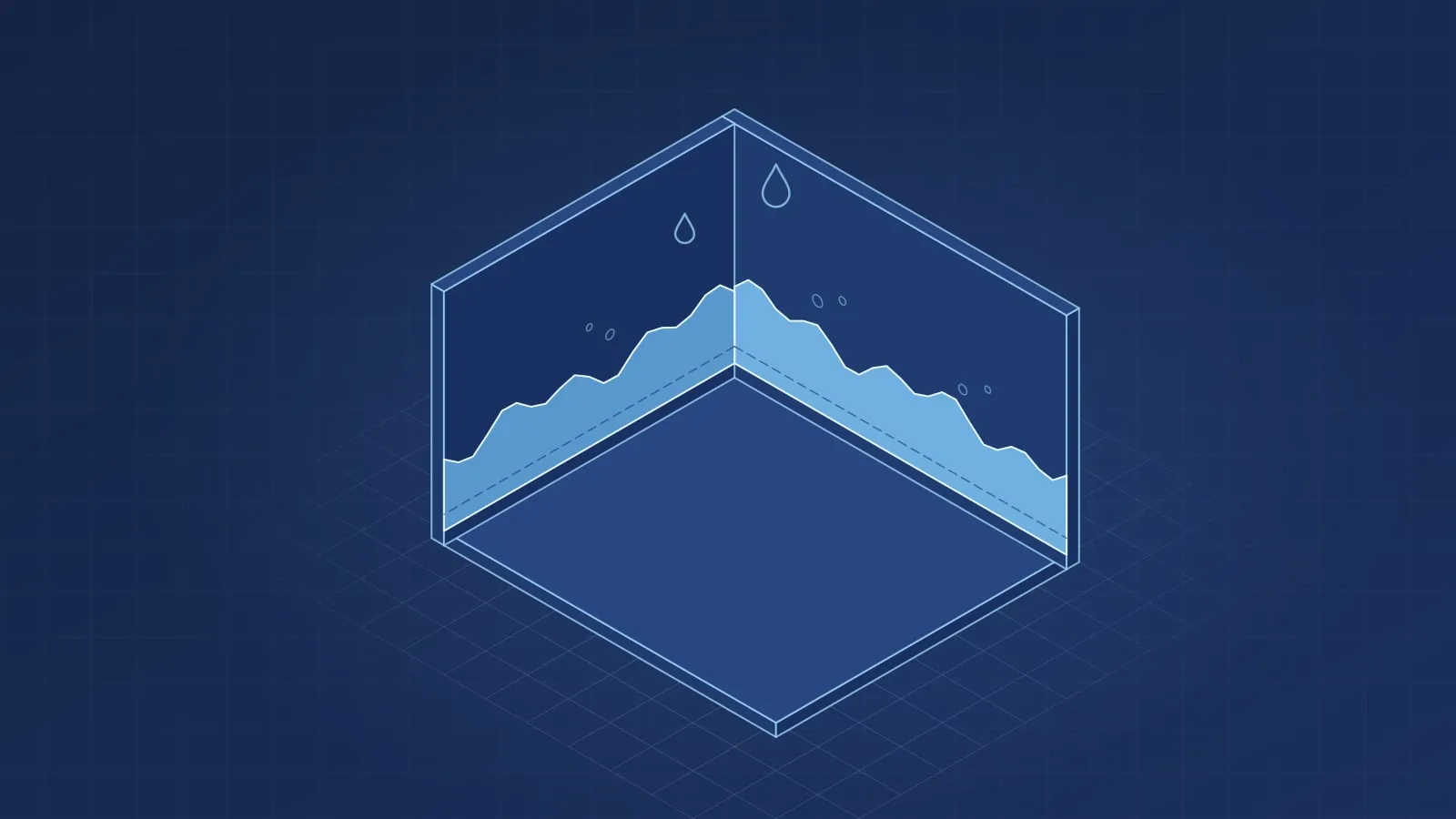
The causes of moisture damage are many and varied, and each requires a different approach. Older buildings often lack a functioning damp-proof course, so moisture from the ground rises through the masonry by capillary action. This process is particularly visible in the base area, where the damp zone decreases towards the top.
Defective waterproofing on basement walls, windows or roofs allows rainwater and seepage water to penetrate. Leaking pipes also frequently cause unnoticed water damage that only shows visible symptoms at a late stage. Another underestimated factor is incorrect ventilation. If rooms are not aired sufficiently, the relative humidity rises, leading to condensation on cold surfaces.
Thermal bridges as a risk factor
Thermal bridges make this problem even worse. Where the exterior wall is poorly insulated, the surface cools down and offers ideal conditions for condensation and mould growth.
Professional renovation methods
The choice of the right renovation method depends on the cause and extent of the damage. A professional damage analysis is therefore essential before any measures are taken. Only by knowing the exact cause can a lasting solution be guaranteed.
Damp-proof courses against rising damp
For rising damp, damp-proof courses that prevent water rising through the masonry by capillary action are the right solution. In the injection method, a special sealing agent is introduced into the masonry through drilled holes, forming a watertight barrier. This method is minimally invasive and particularly suitable for listed buildings or where space is tight.
External waterproofing and drainage
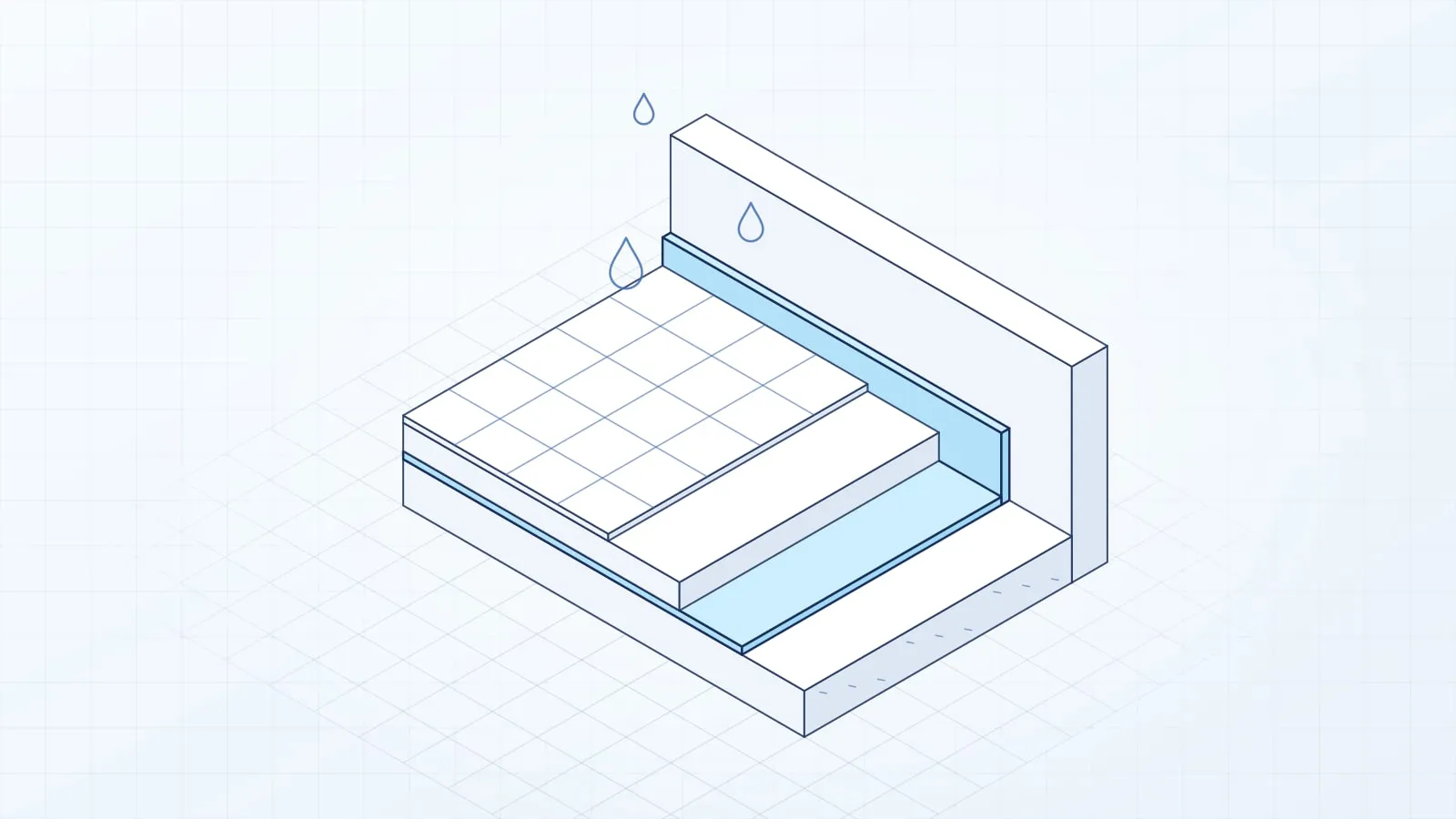
If moisture penetrates from the side, external waterproofing of the basement walls is required. In combination with perimeter drainage, seepage water is drained away in a controlled manner before it can build up against the walls. For condensation problems, improved ventilation systems and optimised insulation help to raise the surface temperature of the walls.
Preventive measures to protect your building
Prevention is cheaper than renovation. Regular checks of the building's condition help to detect moisture damage early on. Aim for an ideal indoor humidity of between 40 and 60 per cent. A hygrometer makes it easy to monitor these values.
Correct ventilation plays a decisive role. Instead of leaving windows permanently tilted open, you should air rooms thoroughly with windows wide open several times a day. Rooms that are rarely used should also be heated slightly in winter to prevent condensation. Furniture should be placed at a sufficient distance from exterior walls so that air can circulate.
Structural damage such as cracks in the masonry or leaks should be repaired immediately. A professional building survey provides information on the condition of the waterproofing and damp-proof courses and identifies the renovation work required.
Conclusion
Moisture damage is a serious problem which, without professional treatment, can cause lasting damage to the building fabric. If you act early, you save costs and protect the value of your property. Beri Bau AG helps you identify moisture damage and repair it professionally. From damage analysis and plastering and painting work to complete renovation, we offer tailor-made solutions for your building.
Contact us for a free, no-obligation consultation and find out more about our reference projects at beribau.ch/en/references.