Why autumn is the prime season for painting
October is traditionally the time experienced painters prefer for demanding coating work. Temperatures are in the optimum range of 15 to 20 degrees Celsius, while humidity is significantly lower than in the summer months. These natural conditions can hardly be improved on technically and ensure even, stress-free drying of all coating materials. Paints can develop their full opacity, and varnishes achieve maximum hardness and resistance. The advantage of autumn working conditions is particularly evident with multi-coat systems, as required for high-quality surfaces. Each coat can cure optimally before the next is applied, which results in a considerably longer service life for the entire coating system.
Surface preparation – the foundation of quality
Professional painting always begins with thorough surface preparation, which can be carried out particularly effectively in autumn. At moderate temperatures, old coatings can be removed more gently, without the materials being additionally stressed by heat or cold. Filling work to repair cracks and unevenness benefits from the even humidity, which ensures optimum setting. Sanding to smooth the surfaces produces less dust, as the materials do not dry out as much as in summer. Primers, which are crucial for the adhesion of the top coat, can penetrate deep into the substrate in autumn conditions and create an optimum bond. This careful preparation is the key to a long-lasting finish and justifies the investment in professional workmanship.
Modern coating systems for different applications
Today's coating systems are highly specialised products that go far beyond simply applying paint. Emulsion paints for interiors regulate humidity and create a pleasant indoor climate, while at the same time filtering pollutants from the air. Silicate paints offer natural protection against mould and are particularly suitable for damp rooms. For exteriors, weather-resistant facade paints are used that withstand UV radiation while remaining vapour-permeable, so that the building fabric can "breathe". Special primers ensure optimum adhesion even on difficult substrates such as concrete or metal. The choice of the right system depends on various factors: the type of substrate, the later stresses and the desired properties such as washability or abrasion resistance. Professional advice helps to find the best system for each specific application.
Facade coatings – protection and aesthetics combined
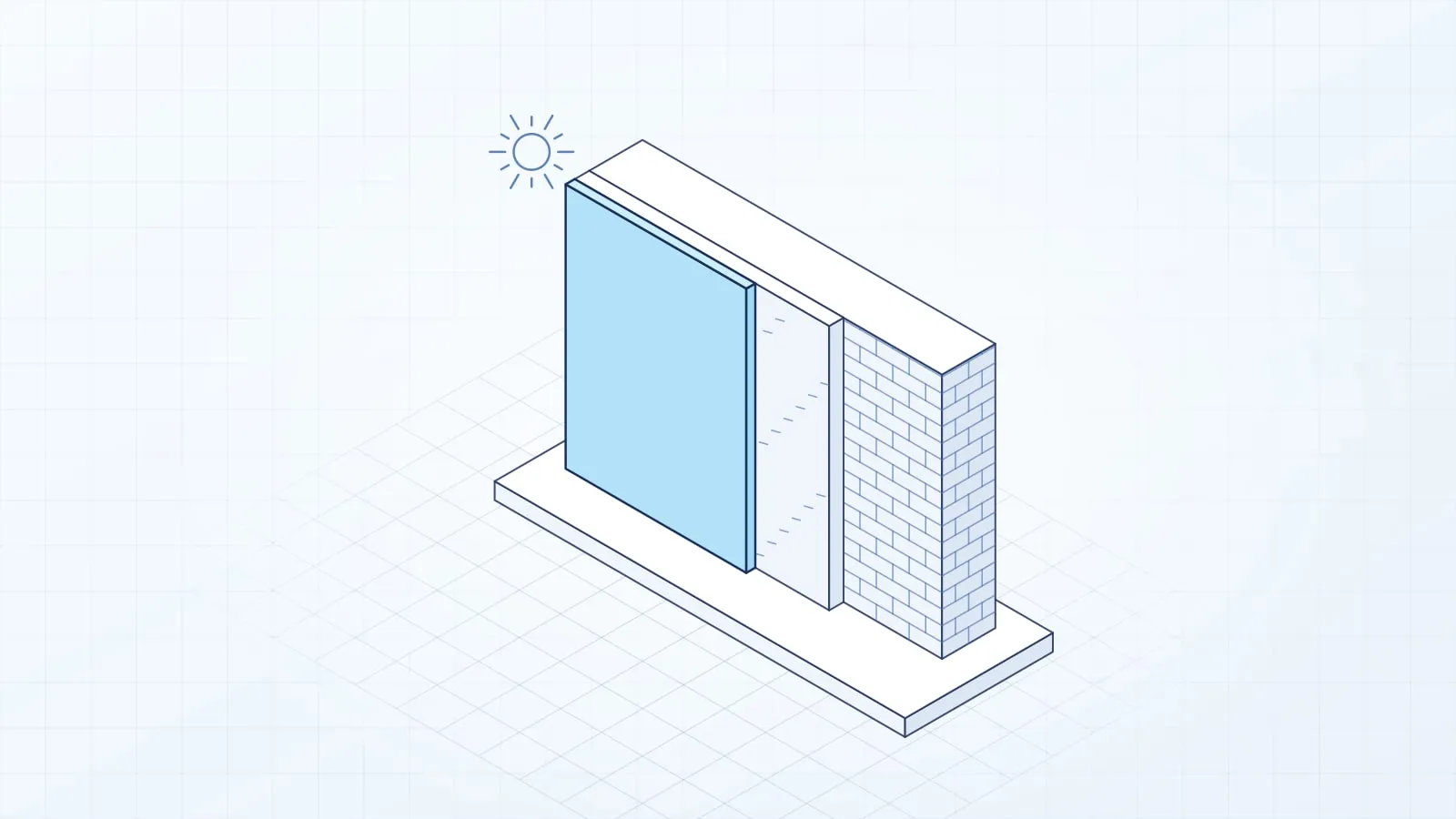
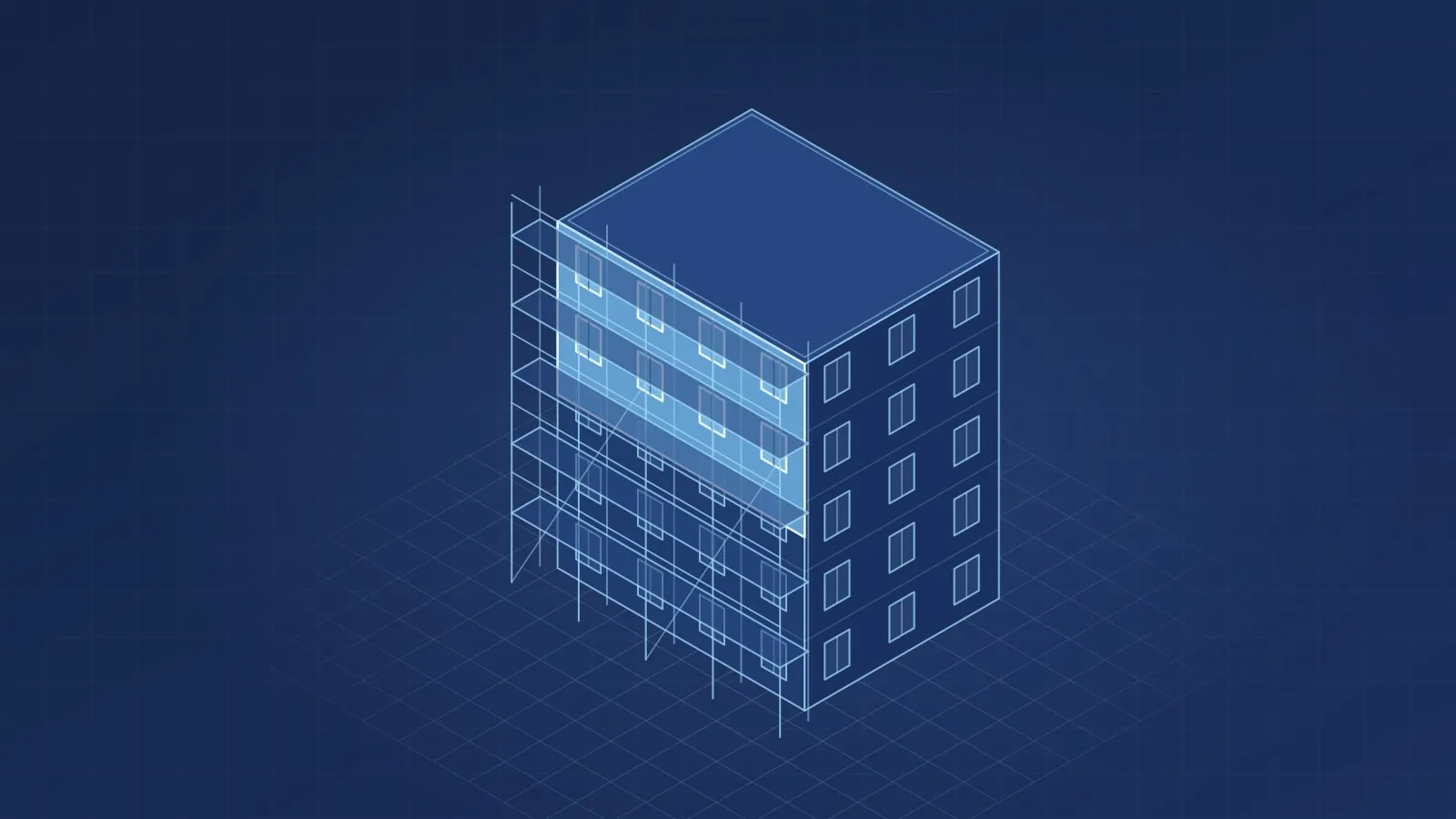
Facade coatings fulfil a dual function: they protect the building fabric from the weather and shape the external appearance of the building. The autumn months are particularly well suited to this work, as the facades receive a fully cured protective coat before winter. Modern facade paints contain active ingredients against algae and fungal growth, which come into their own in the damper winter months. The choice of colour should follow not only aesthetic but also practical considerations: light colours reflect solar radiation and reduce the thermal stress on the facade, while dark shades are better at concealing dirt. Silicate-based mineral coatings bond permanently with the substrate and last for decades. Investing in high-quality facade coatings pays off through reduced maintenance and by preserving the value of the property.
Quality control and aftercare
Quality assurance in painting requires systematic checking of every work step and professional aftercare of the finished surfaces. During the work, coat thicknesses are measured, drying times observed and the even distribution of materials monitored. The autumn light allows a realistic assessment of surface quality without the distortion caused by harsh summer or weak winter light. Once the work is complete, a systematic final inspection checks for completeness, evenness and possible defects. Minor touch-ups can easily be carried out in favourable weather. The handover also includes instructions on the correct care of the new surfaces and recommendations for future maintenance intervals. Professional documentation of the materials and systems used makes later renovation work considerably easier.