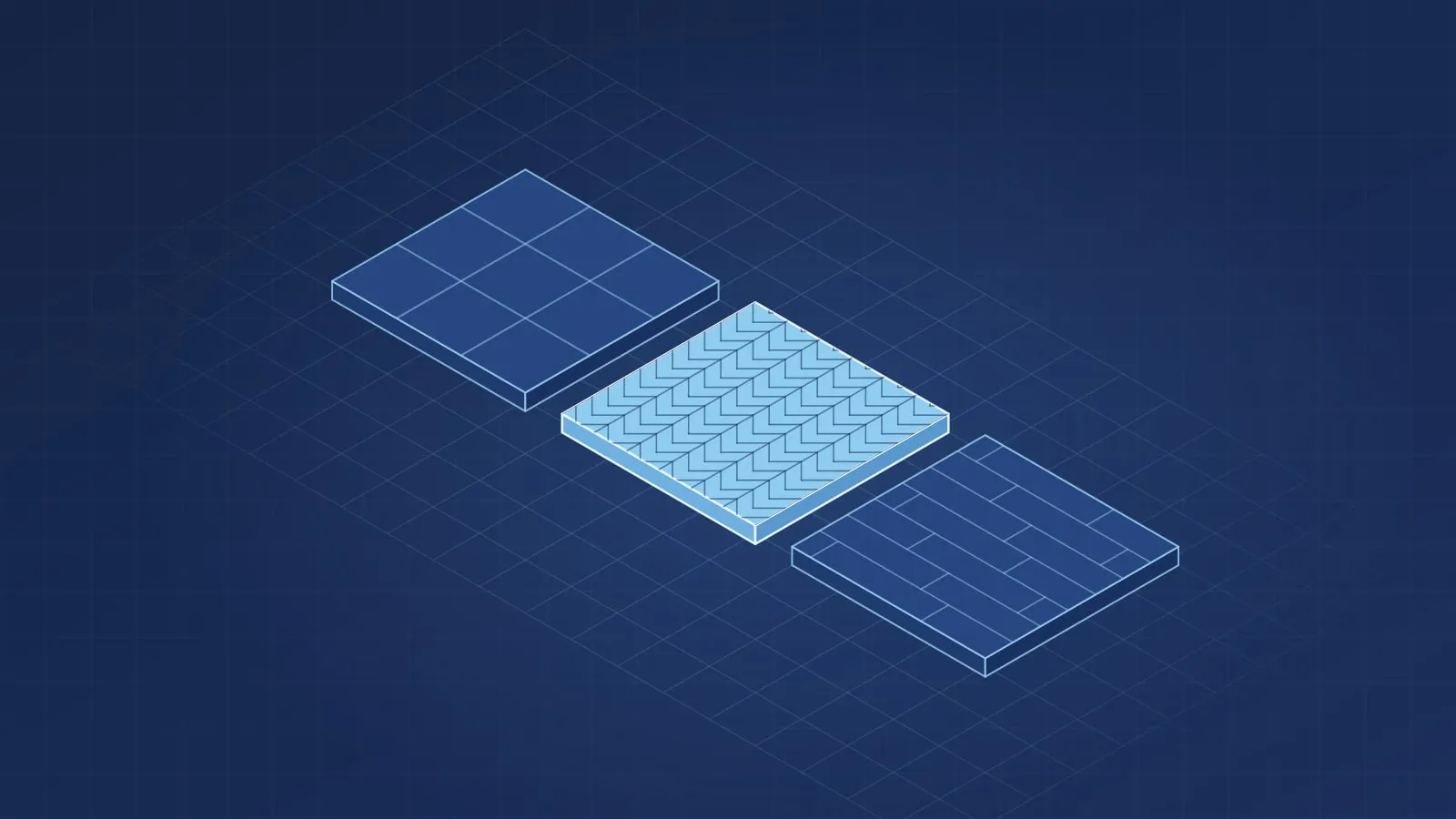

Craftsmanship meets modern technology
Tiling combines traditional craftsmanship with state-of-the-art technology in a demanding trade that calls for the utmost precision. Choosing the right materials starts at the planning stage and takes into account the later use, the stresses involved and the desired look. Ceramic tiles, natural stone and porcelain stoneware each have specific properties that must be considered when laying them. The substrate has to be prepared to the millimetre, as every unevenness will later be visible and impair durability. Modern measuring instruments such as lasers and digital spirit levels ensure the required accuracy. The laying itself takes years of experience to achieve a perfect result. The art of the craft shows especially with large-format tiles or complex laying patterns. Every tile must be positioned exactly, the joint width must remain constant and the surface must be perfectly level.
Substrate preparation as a key to success
The success of any tiling job stands or falls with the quality of the substrate, which must meet the highest requirements for evenness, strength and dryness. Unevenness of more than two millimetres per metre is unacceptable for professional laying and must be levelled out with filler compounds. The choice of levelling compound depends on the type of substrate and the later stresses. In wet rooms, additional waterproofing measures are required, forming a closed system beneath and behind the tiles. Primers improve the adhesion of the tile adhesive and reduce the absorbency of the substrate. Problematic substrates such as timber or plasterboard require special primers and uncoupling membranes that absorb stresses and prevent cracking. The drying time of the prepared substrate must be strictly observed, as moisture can lead to damage later on.
Adhesive technology and choice of materials
Tile adhesive technology has made enormous progress in recent years and today makes it possible to lay even difficult materials on problematic substrates. Flexible adhesives absorb stresses and prevent cracking, while rapid-setting systems allow short construction times. For large-format tiles of 60x60 centimetres and above, the floating and buttering method is standard: the adhesive is applied both to the substrate and to the back of the tile to ensure full-surface adhesion. The notch size of the adhesive trowel must match the tile size and the substrate so that the optimum adhesive bed thickness is achieved. Natural stone requires special adhesives that contain no staining substances and respect the stone's natural properties. The adhesive's working time is limited and calls for quick but precise work. Temperature and humidity have a considerable effect on the adhesive's properties and must be taken into account during application.
Grouting as a functional and aesthetic element
Grouting tiled surfaces performs important technical functions and at the same time largely defines the visual appearance of the finished area. Modern grouts are highly specialised products with various properties: waterproof, dirt-repellent, antibacterial or colourfast. The choice of the right grout depends on the area of use – shower niches need different properties from living rooms or heavily used entrance areas. The joint width is determined by the tile size, the material and the desired look, but should never be less than two millimetres in order to fulfil its technical functions. Grouting itself requires clean work and perfect timing: the grout must be pressed fully into the joints without leaving residue on the tile surface. Cleaning must be done before the grout has fully cured, but not so early that material is washed out of the joints. Silicone movement joints at wall and floor junctions absorb movement and prevent cracking.
Care and maintenance for lasting beauty
With proper care, professionally laid tiled surfaces can retain their original beauty and technical properties for decades. The first clean after laying removes mortar residue and construction dust and prepares the surface for later use. Natural stone surfaces often need an impregnation that protects against stains and makes cleaning easier. Ongoing care should suit the material: pH-neutral cleaners for natural stone, alkaline cleaners for ceramic surfaces. Aggressive cleaning agents can permanently damage surfaces and joints. Regular checks of the joints and silicone seals make it possible to detect and fix small defects in good time, before larger repairs become necessary. If required, individual tiles can be replaced or joints renewed without affecting the entire surface. Professional advice on the right care is part of our service and helps your investment last.