Sustainable Building: Eco-Friendly Materials for Your Renovation Project
The construction industry is changing: sustainability and environmental protection are becoming decisive factors in the choice of building materials and methods. More and more clients are opting for ecological solutions that not only protect the environment but are often more economical in the long run. Sustainable building means far more than simply using natural materials – it is a holistic approach to responsible construction.
What does sustainable building mean?
A holistic approach
Sustainable building takes into account the entire life cycle of a building: from the extraction of materials through construction and use to deconstruction. Three aspects are central: ecological compatibility, social responsibility and economic efficiency.
Conserving resources
A key aspect is the economical use of natural resources. This includes both the choice of renewable or recycled materials and the efficient use of energy and water during construction and later use.
A healthy indoor climate
Sustainable building materials contribute to a healthy indoor climate. They are free from harmful emissions and create a pleasant, natural living environment.
Eco-friendly building materials at a glance
Natural insulation materials
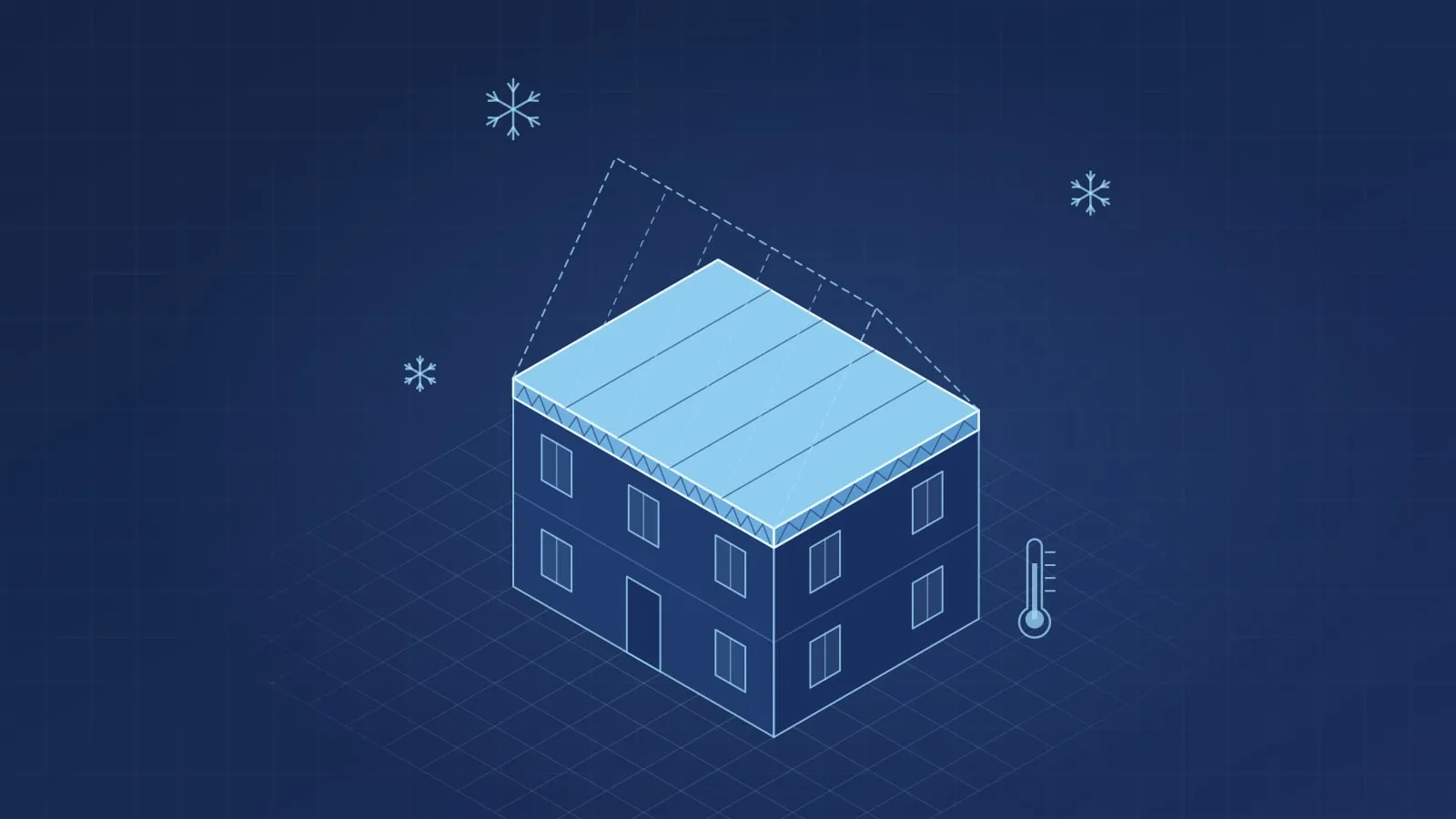
Conventional insulation materials are increasingly being replaced by natural alternatives that are just as effective but more environmentally friendly.
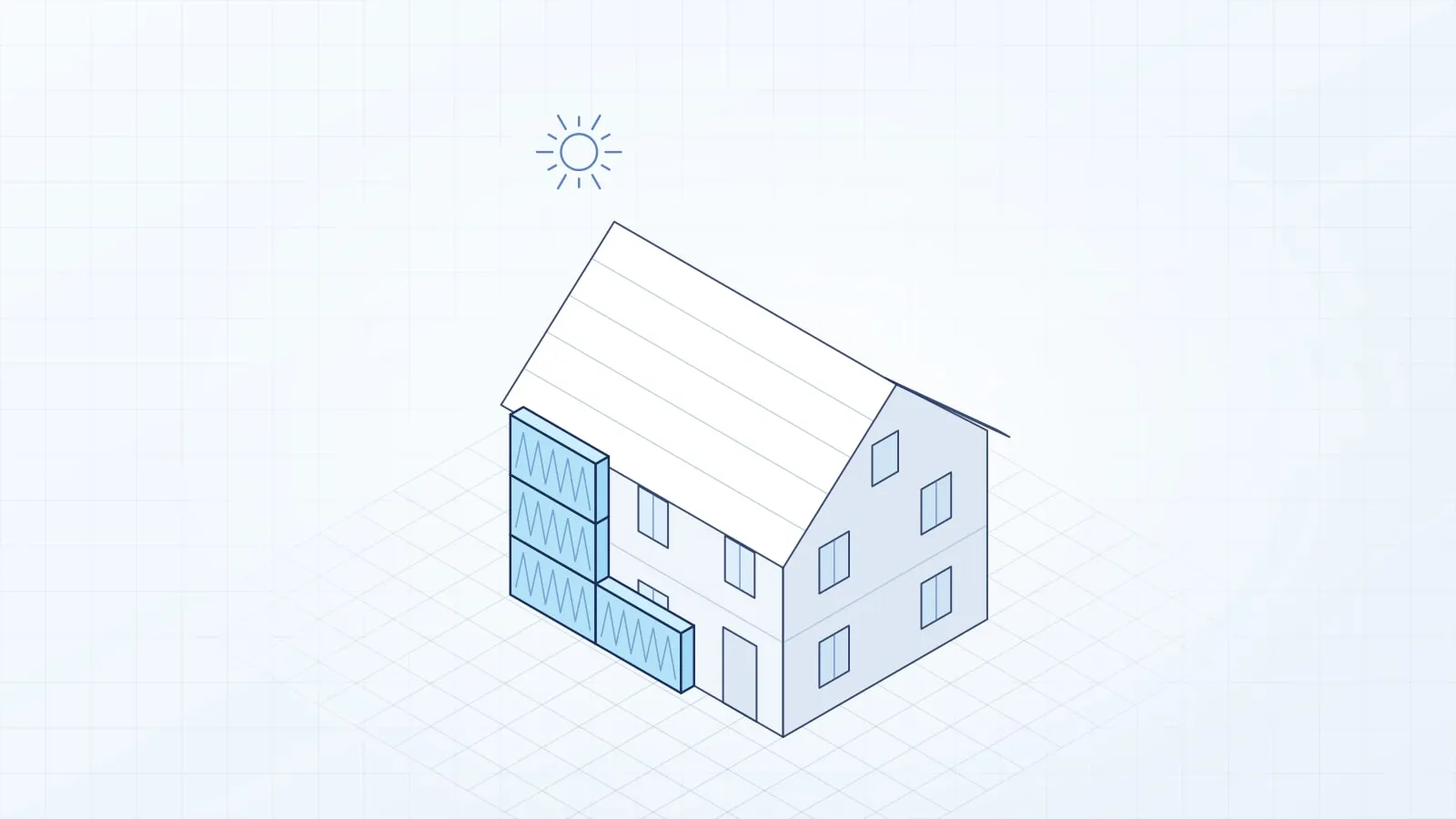
Wood fibre insulation: Made from sawmill offcuts, wood fibre insulation offers excellent insulating properties while also regulating moisture. It is fully recyclable and ensures a pleasant indoor climate.
Hemp insulation: Hemp grows back quickly and needs no pesticides. Hemp insulation is resistant to pests and mould and offers good insulating properties while remaining vapour-permeable.
Sheep's wool: As a natural insulation material, sheep's wool regulates humidity and can even filter pollutants from the indoor air. It is particularly suitable for interior work.
Cellulose: Made from recycled waste paper, cellulose insulation offers outstanding properties with very little energy required for its production.
Ecological materials for walls and structure
Modern construction techniques allow sustainable materials to be used even for load-bearing elements.
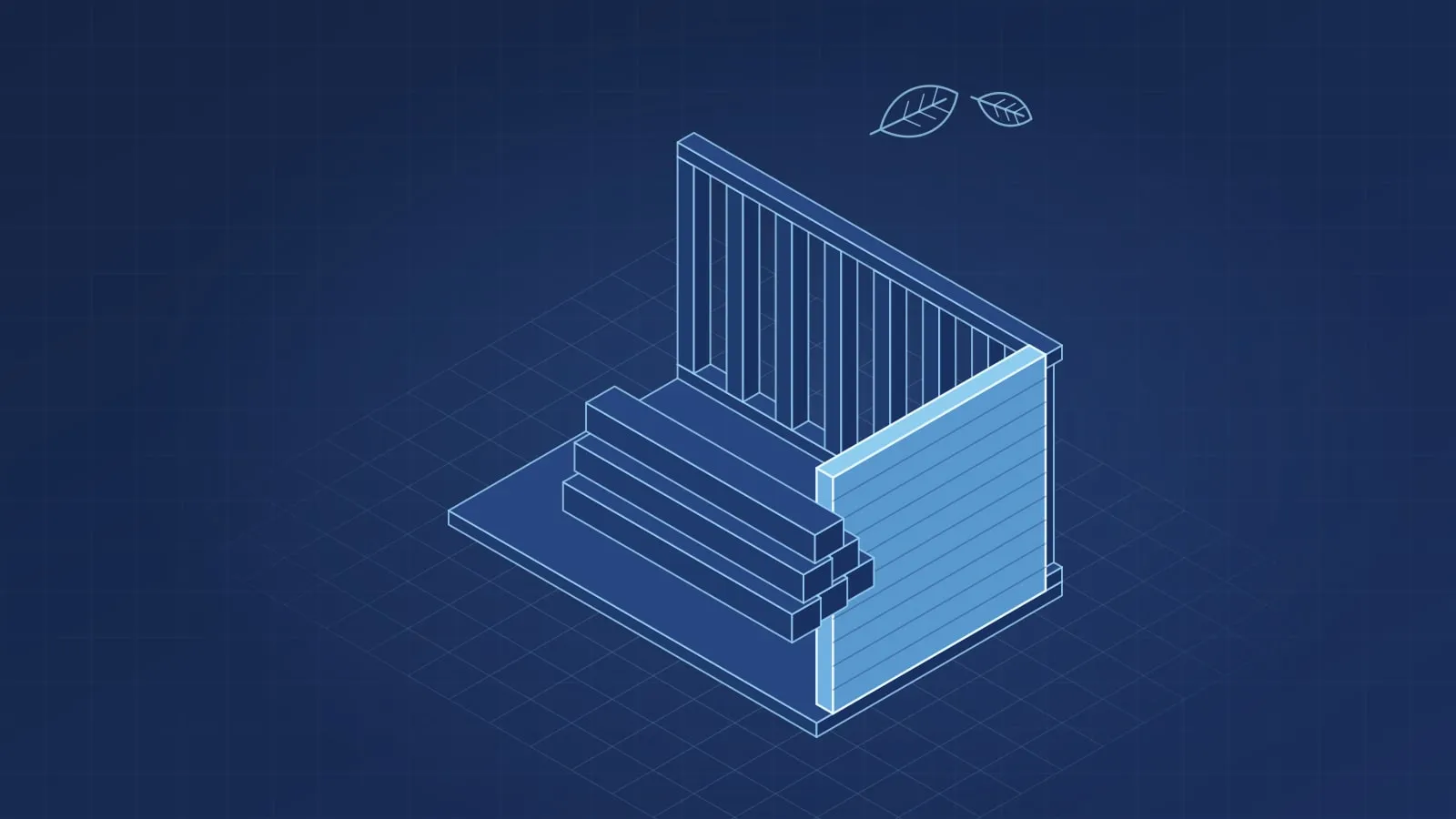
Timber construction: As a renewable raw material, wood stores CO2 and creates a healthy indoor climate. Modern timber construction techniques even make multi-storey buildings from this sustainable material possible.
Clay and loam: These ancient building materials are enjoying a renaissance. Clay building materials regulate humidity naturally and create a particularly pleasant indoor climate.
Recycled concrete: Using recycled aggregates from construction waste can significantly reduce resource consumption in concrete structures.
Sand-lime brick: Made from the natural raw materials lime, sand and water, sand-lime brick offers good building-physics properties with a low environmental impact.
Sustainable flooring
Flooring has a major influence on the indoor climate and should therefore be made from sustainable materials.
Solid wood parquet: High-quality parquet from sustainably managed forests can last for decades and be sanded down several times. FSC or PEFC certification guarantees responsible forestry.
Cork: As the bark of the cork oak, cork is a renewable raw material that can be harvested without harming the tree. Cork floors are warm, resilient and naturally antibacterial.
Linoleum: Genuine linoleum consists of linseed oil, natural resins, cork flour and jute fibres. It is fully biodegradable and has natural antibacterial properties.
Natural stone: Durable and available locally, natural stone offers timeless elegance with minimal environmental impact. It is important to choose regional types of stone to keep transport distances short.
Innovative sustainable solutions
Recycled and upcycled materials
Reusing building materials reduces waste and conserves resources.
Recycled bricks: Bricks recovered from construction waste can be reused as fully fledged building materials after processing.
Reclaimed timber beams: Old timber beams from demolished houses can be reused as design features or even as load-bearing elements.
Recycled glass: Old glass bottles and panes are processed into new building products, from insulating glass to decorative elements.
Modern bio-based building materials
Innovative materials combine sustainability with state-of-the-art technology.
Hempcrete: A mixture of hemp shives, lime and water produces a lightweight, insulating building material that also stores CO2.
Straw bales: Processed using special techniques, straw bales offer outstanding insulating properties at very low cost and environmental impact.
Mycelium materials: New building materials are being developed from fungal roots (mycelium) that can serve as an alternative to polystyrene or other synthetic materials.
Certifications and standards
How to recognise sustainable materials
Various certifications help you choose environmentally friendly materials.
FSC/PEFC for wood products: These labels guarantee that wood comes from sustainably managed forests.
Cradle to Cradle: This concept assesses materials according to their recyclability and their safety for health.
Natureplus: A European quality label for sustainable building products with strict ecological and health criteria.
Emicode: Classifies building products according to their emissions and helps you choose low-emission materials.
Building certifications
Entire buildings can also be certified according to sustainability criteria.
MINERGIE: The Swiss standard for energy-efficient and sustainable buildings, with various quality levels.
SNBS (Standard Nachhaltiges Bauen Schweiz): A comprehensive standard that takes ecological, economic and social aspects into account.
Benefits of sustainable building materials
Health aspects
Natural building materials create a healthier indoor climate through better air quality and natural moisture regulation.
Free from pollutants: Natural materials contain no synthetic chemicals or harmful emissions.
Allergy-friendly: Many natural building materials are well tolerated by allergy sufferers and can even reduce allergic reactions.
Protection from electrosmog: Natural materials can shield electromagnetic radiation better than synthetic alternatives.
Long-term cost-effectiveness
Although sustainable materials often cost more to buy, they are often more economical in the long run.
Longer service life: High-quality natural materials often last longer than synthetic alternatives.
Lower maintenance costs: Natural materials often require less care and maintenance.
Increase in value: Sustainably built properties often fetch higher prices on the market and are more future-proof.
Environmental benefits
Using sustainable building materials actively contributes to protecting the environment.
CO2 reduction: Many natural building materials store CO2 or have a small carbon footprint in production.
Conserving resources: Renewable and recycled materials conserve finite resources.
Biodegradability: At the end of their service life, many natural building materials can be composted or disposed of in an environmentally friendly way.
Putting it into practice in your renovation project
Step by step to sustainable building
The switch to sustainable building materials can be made gradually.
Set priorities: Start with the areas that have the greatest impact, such as insulation or flooring.
Seek expert advice: Ask experts which sustainable alternatives are suitable for your particular project.
Combined approaches: A combination of different sustainable materials is often the best solution.
Taking costs into account
Sustainable materials do not necessarily have to be more expensive.
Consider the total cost: Take service life, maintenance costs and energy savings into account.
Make use of subsidies: Many sustainable building measures are subsidised, which can offset the additional costs.
Regional materials: Local building materials are often cheaper and more environmentally friendly thanks to short transport distances.
Challenges and solutions
Availability and logistics
Not all sustainable materials are available everywhere.
Plan early: Order sustainable materials in good time, as delivery times can be longer.
Regional networks: Work with local suppliers to keep transport distances short.
Storage: Natural materials often require special storage conditions to maintain their quality.
Construction
Some sustainable materials require special installation techniques.
Expertise: Only work with tradespeople who have experience with sustainable materials.
Training: Invest in training your team in sustainable construction techniques.
Quality assurance: Monitor the work closely to achieve the best results.
Beri Bau AG: Your partner for sustainable building
At Beri Bau AG, we recognise that sustainable building is not just a trend but a necessity. We have extensive experience with eco-friendly building materials and sustainable construction techniques.
Our sustainable services
From advice on sustainable materials to professional installation, we offer all the services you need for your ecological building project. We know the best suppliers of sustainable building materials and can advise you comprehensively on the best solutions for your project.
Sustainable insulation: Professional installation of natural insulation materials such as wood fibre, hemp or cellulose
Ecological interior work: Use of clay, lime and other natural materials for healthy indoor air
Eco-friendly flooring: Laying of solid wood parquet, cork, linoleum and natural stone from sustainable sources
Recycling solutions: Integration of reused materials into your building project
Advice and choice of materials
Our experts help you choose the right sustainable materials for your budget and requirements. We take into account local availability, transport distances and the specific characteristics of your building.
Certified quality
We work exclusively with certified, sustainable building materials and can provide you with the corresponding documentation for your building project. This is particularly important for building certifications or subsidy applications.
Trends and the future of sustainable building
Digital tools
Modern software helps with planning sustainable building projects.
Life cycle assessment software: Programs calculate the carbon footprint of different materials and help you make the best choice.
Building Information Modeling (BIM): Digital planning methods allow precise planning of material requirements and reduce waste.
Material databases: Comprehensive databases make it easier to select tested, sustainable building materials.
Circular economy in construction
The future belongs to closed material cycles.
Design for Disassembly: Buildings are planned so that their materials can later be easily separated and reused.
Material passports: Digital documentation of all materials used makes it possible to reuse them later.
Urban Mining: Cities become a "mine" for building materials recovered from demolished buildings.
Innovative material development
Research and development are constantly producing new sustainable building materials.
Bio-based plastics: Polymers derived from plants are increasingly replacing petroleum-based materials.
Self-healing materials: Building materials that can repair small cracks themselves extend the service life of buildings.
Smart materials: Intelligent materials react to environmental conditions and automatically optimise their properties.
Regionally available sustainable materials
Swiss wood
Switzerland has excellent wood resources from sustainable forestry.
Spruce: The most common type of construction timber in Switzerland, ideal for load-bearing structures and cladding.
Fir: Particularly suitable for visible timber structures thanks to its attractive, even appearance.
Oak: For high-quality floors and furniture, extremely durable and full of character.
Swiss stone pine: The "king of woods" of the Alps, with natural antibacterial properties.
Local natural stone
Regional stone deposits provide sustainable building material with short transport distances.
Jura limestone: A classic Swiss natural stone for facades and floors.
Granite: Particularly durable for heavily used areas.
Sandstone: Ideal for restoring historic buildings.
Sustainable clay products
The Swiss clay products industry manufactures environmentally friendly building ceramics.
Clay tiles and bricks: Traditional and proven for roofs and walls.
Terracotta: For facade cladding and decorative elements.
Clinker brick: Particularly durable and low-maintenance.
Financing and subsidies
Cantonal subsidy programmes
Many Swiss cantons support sustainable building with direct grants.
Energy efficiency bonuses: Additional funding for projects that achieve high sustainability standards.
Material-specific subsidies: Some cantons specifically promote the use of certain sustainable materials.
Tax benefits
Sustainable building measures can be claimed for tax purposes.
Energy-efficiency renovations: Can often be deducted in full from taxable income.
Value-enhancing investments: Increase the value of the property and can be optimised for tax purposes.
Innovative financing models
New financing approaches make sustainable building easier.
Green mortgages: Special mortgages for sustainable building projects with better terms.
Contracting models: External financing of sustainable building services, refinanced through energy savings.
Quality assurance and inspection
Site supervision for sustainable projects
Sustainable materials require particular care during installation.
Moisture protection: Natural materials are often more sensitive to moisture.
Temperature control: Many bio-based building materials have specific requirements for the installation temperature.
Time factors: Natural materials often need longer drying times.
Long-term monitoring
Monitoring how materials perform is important for the success of sustainable projects.
Indoor climate measurements: Regular checks of temperature, humidity and air quality.
Condition of materials: Annual inspection of particularly heavily used areas.
Adjustments: Improvements or additions to the sustainable systems where necessary.
Conclusion: Sustainability as the standard of the future
Sustainable building is no longer a niche but is becoming the standard for responsible construction. The benefits for health, the environment and long-term cost-effectiveness are compelling, and the range of high-quality, sustainable building materials is growing all the time.
By choosing sustainable materials, you are investing not only in your building but also in the future of our planet. At the same time, you create a healthier indoor climate for yourself and your family and increase the value of your property.
The initial additional costs of sustainable building materials pay for themselves through lower running costs, a longer service life and higher property values. In addition, various subsidies are available that make sustainable building projects more financially attractive.
Beri Bau AG is your experienced partner for sustainable building. From the initial consultation and choice of materials to professional execution, we support you every step of the way towards your eco-friendly building project. Arrange a consultation today and discover the possibilities of sustainable building for your renovation project!