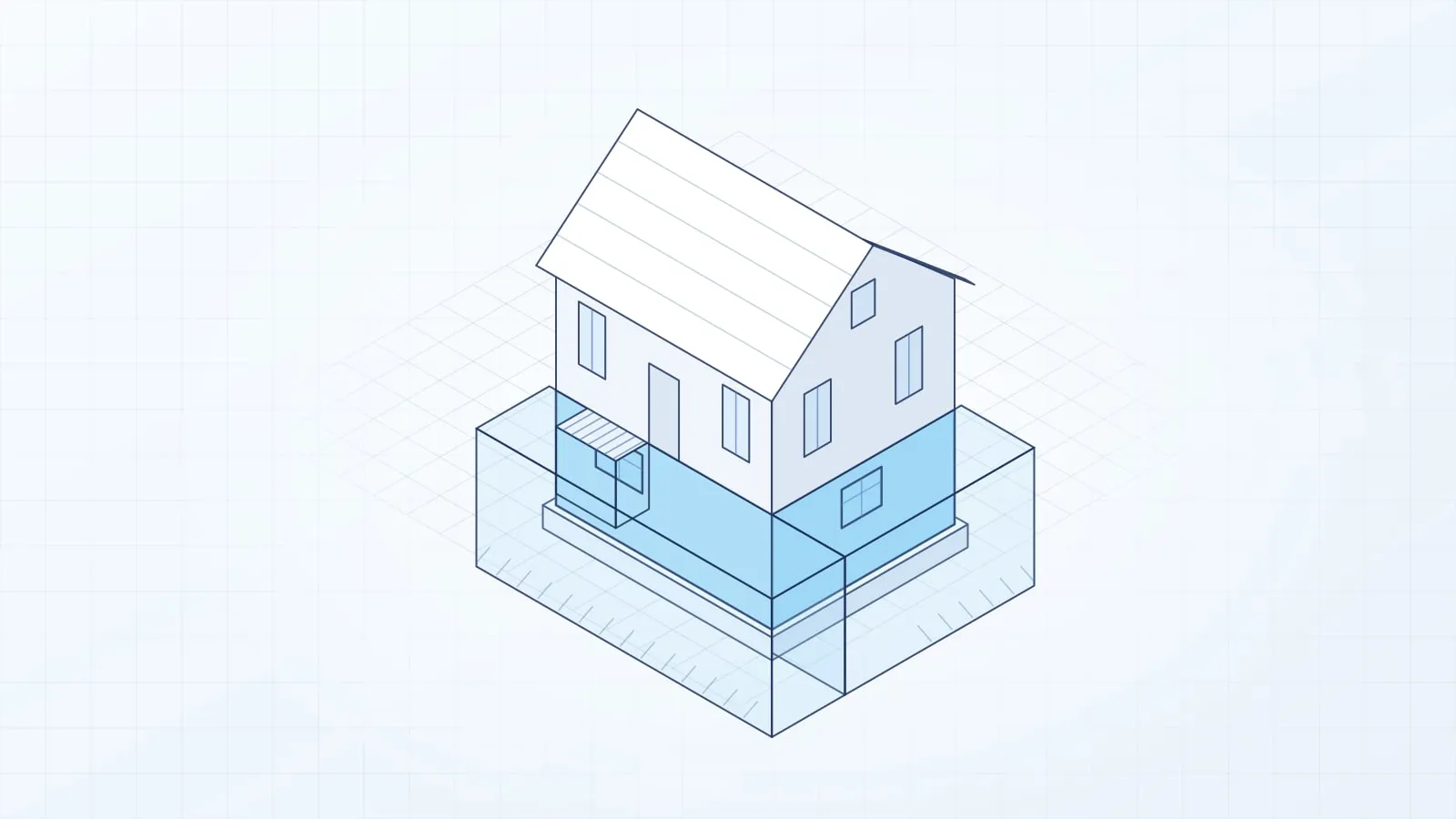
Living space in Switzerland is becoming ever scarcer and more expensive. As a result, many homeowners are rediscovering the potential of their basement. Whether as a home office, hobby room, fitness area or even a granny flat – a professionally converted basement offers a wide range of uses. In this article, you will find out what to look out for in a basement renovation and how to turn a dark storage room into high-quality living space.
Checking the requirements for a basement conversion
Before you start planning, you should check the basic conditions of your basement. Not every basement is equally suitable for conversion into living space.
Ceiling height and space
Ceiling height is a decisive factor. Habitable rooms should have a ceiling height of at least 240 centimetres. If the height is lower, lowering the floor can be considered, although this is complex and costly.Moisture and building fabric
A dry basement is the basic requirement for any conversion. Damp walls or rising damp must be professionally remedied before renovation work begins. A professional analysis of the moisture levels shows which waterproofing measures are necessary.
Obtaining official permits
In Switzerland, changing the use of a basement requires a permit. Before you start work, you must apply for a building permit from the building authority of your municipality or canton. Also check whether the floor area ratio of your plot actually allows additional living space.
For larger conversions that alter the building envelope, for example by installing additional windows or light wells, a full building application with public notice is required. Talking to the building authority at an early stage can avoid unnecessary planning costs.
Key steps in a basement renovation
A successful basement renovation requires several trades to be coordinated. Doing the work in the right order is crucial.
Waterproofing and insulation
The first step is to make sure the room is dry. Depending on the source of the moisture, different waterproofing methods are used. Rising damp requires a horizontal damp-proof barrier, while water penetrating from the side calls for external or internal waterproofing of the basement walls.
This is followed by thermal insulation of the walls and floor. This is not only important for living comfort, it is also required by energy regulations. Good insulation can even reduce the energy consumption of the whole house.
Ventilation and daylight
Habitable rooms must have sufficient daylight and fresh air. As a rule of thumb, the window area should be at least ten per cent of the floor area. Light wells and skylights can bring additional daylight into the basement. Where natural ventilation is not possible, extractor fans or controlled ventilation systems provide fresh air.
Electrical and plumbing installations
The installation of power connections, lighting and, if necessary, water connections should be planned early on. Heating is also essential for living spaces. Depending on the planned use, additional connections for a kitchen or bathroom may be required.
Interior fit-out and design
Once the technical work is complete, the interior fit-out follows. Drywall is ideal for designing rooms in the basement. Plasterboard walls allow rooms to be divided flexibly and pipes and cables to be neatly concealed.
When choosing the floor covering, make sure you use moisture-resistant materials. Tiles, vinyl or specially treated laminate are good options for basement rooms. Light-coloured walls and targeted lighting make the room appear larger and more welcoming.
Conclusion
A basement conversion is a worthwhile investment that creates additional living space and increases the value of your property. With careful planning and professional execution, a dark storage room becomes a fully fledged living area. Beri Bau AG supports you from the initial assessment to the finished room. From waterproofing and plastering and painting through to the complete interior fit-out, we offer all services from a single source.
Contact us for a free, no-obligation consultation and be inspired by our reference projects at beribau.ch/en/references.